Sustainable Lawn Care Practices: Eco-Friendly Tips from the Experts Mar 13, 2026
The first step toward sustainable lawn care is choosing the right lawn species. Native grasses are an excellent choice as they are well-suited to local climates, require less water, and resist disease more effectively. By significantly reducing water consumption, native species ensure that your lawn remains green and healthy even during dry spells. Furthermore, these natural species create a habitat for local wildlife, promoting biodiversity in your backyard.
Water conservation is another critical aspect of eco-friendly lawn care. Overwatering is a common mistake, often leading to shallow root growth and increased vulnerability to drought conditions. Clark's Cuts Lawn Care recommends watering deeply but infrequently, preferably in the early morning to minimize evaporation. Additionally, consider investing in a smart irrigation system that adjusts watering schedules based on local weather conditions and soil moisture levels. This not only saves water but also cuts down on utility bills.
Natural lawn fertilization can significantly reduce the chemical footprint of your yard. Organic fertilizers and compost are rich in nutrients and improve soil health over time. These options gradually release essential nutrients, providing a steady supply without the harmful side effects of chemical fertilizers. Composting not only enriches the soil but is also an effective way to recycle organic waste like grass clippings and leaves.
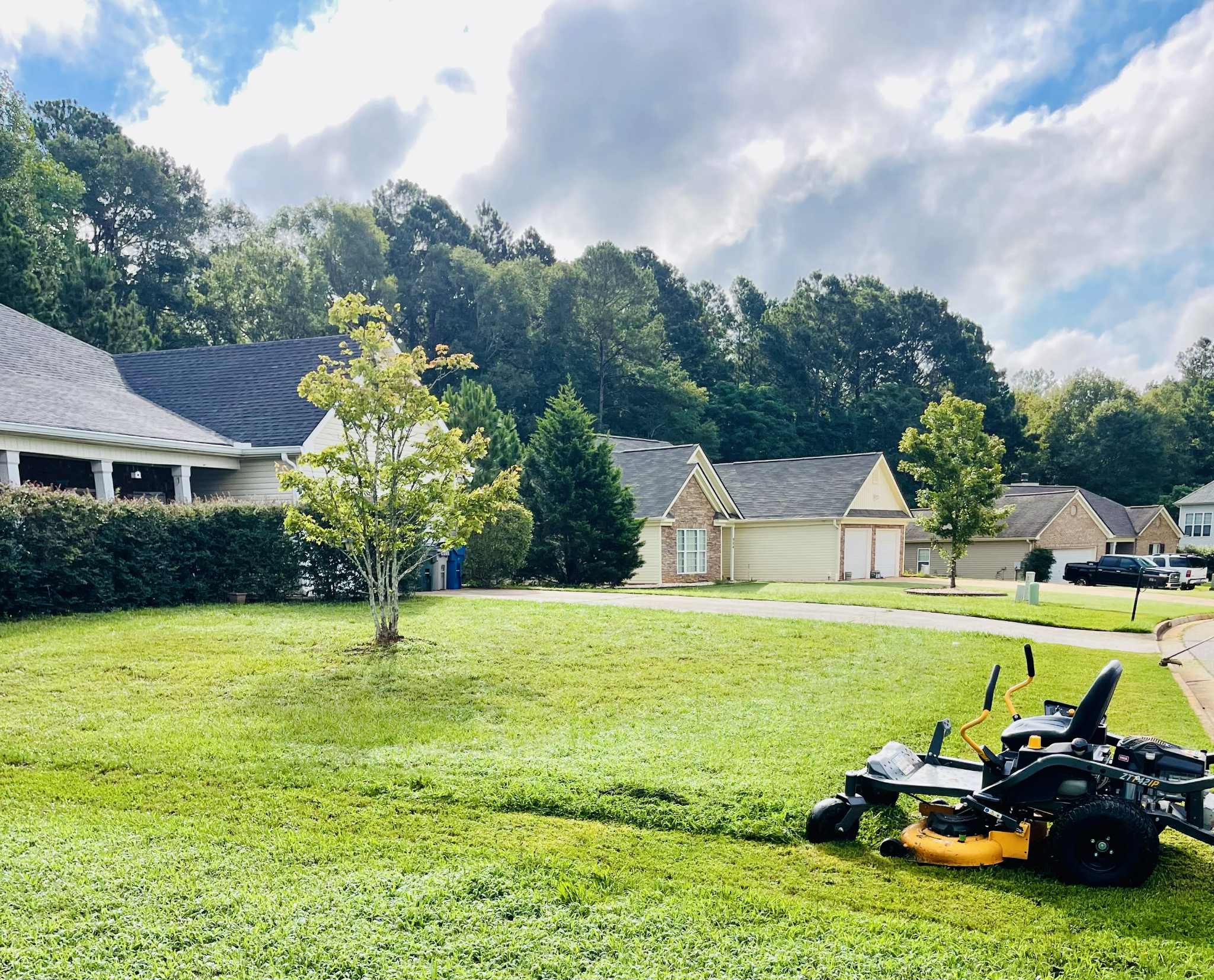
Mowing practices can also contribute to a more sustainable lawn. When grass is cut to a height of three inches, it encourages deeper root growth and improves drought resistance. Moreover, leaving grass clippings on the lawn can act as a natural mulch, retaining moisture and returning essential nutrients to the soil. Ensuring that lawnmower blades are sharp will result in a cleaner cut, preventing damage to the grass.
Weed and pest control are often necessary interventions in lawn care, but they don't have to rely on harsh chemicals. Employing integrated pest management techniques, such as introducing beneficial insects, can effectively manage pests while maintaining ecological balance. For weed control, homegrown solutions like vinegar sprays can be used before resorting to chemical options. Hand-pulling weeds can also be a practical and environmentally-friendly approach.
Incorporating hardscaping elements like stone walkways and patios not only adds aesthetic value but also reduces the amount of grass that requires maintenance and water. Permeable pavers allow rainwater to seep into the ground, reducing runoff and erosion—an important consideration in sustainable landscaping.
Creating a sustainable lawn takes time and commitment, but the benefits are substantial. Not only do these practices lead to a healthy and attractive lawn, but they also contribute to a healthier environment. By incorporating these tips from the experts at Clark's Cuts Lawn Care, you can transform your yard into a beautiful retreat that is in harmony with nature.
As you implement these eco-friendly lawn care practices, you'll enjoy the satisfaction of knowing that your efforts are making a positive difference. For more personalized advice or professional assistance, contact Clark's Cuts Lawn Care. Together, we can create a thriving, sustainable landscape that future generations will enjoy.
/filters:no_upscale()/filters:format(webp)/media/066da089-6b96-4b88-af5f-a68f3827aeb3.jpeg)